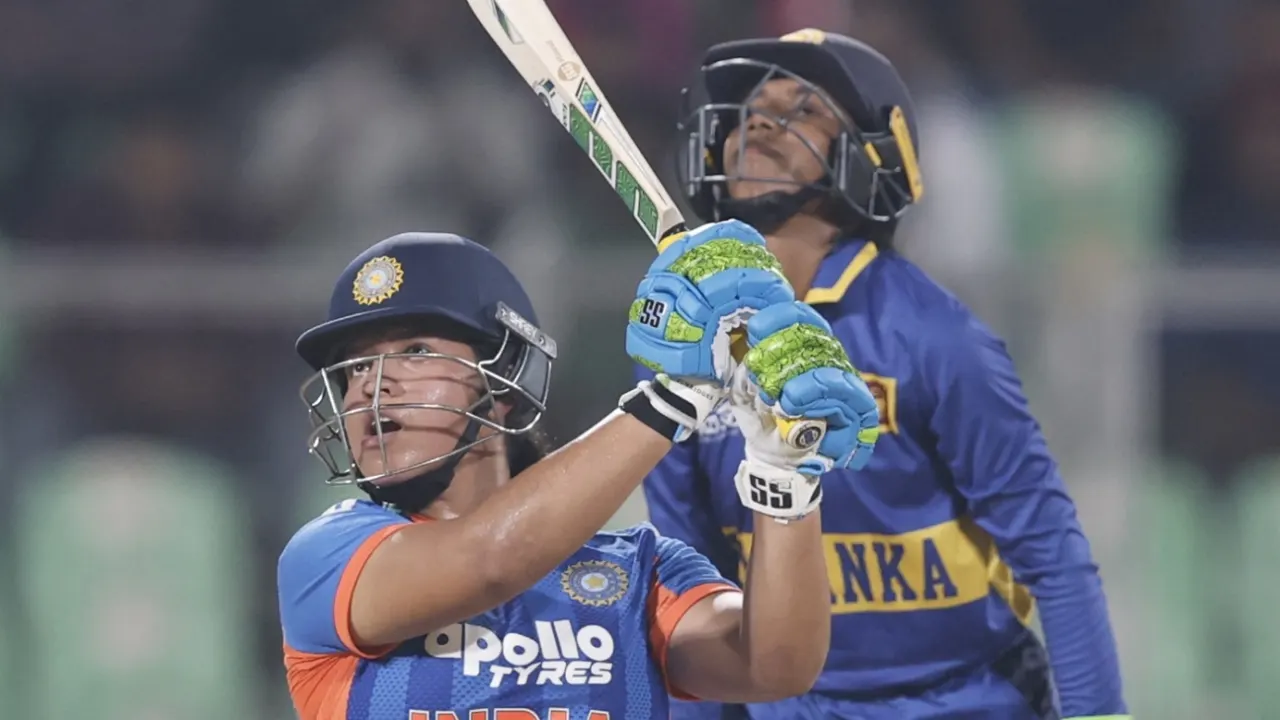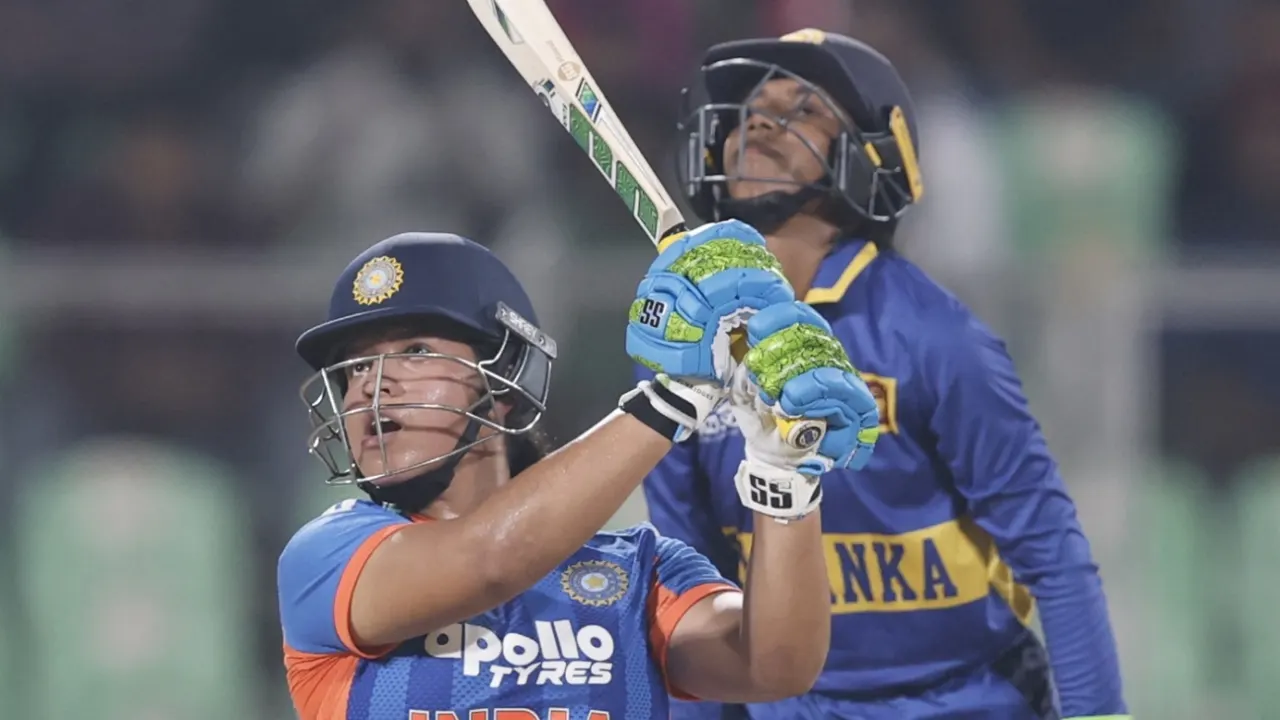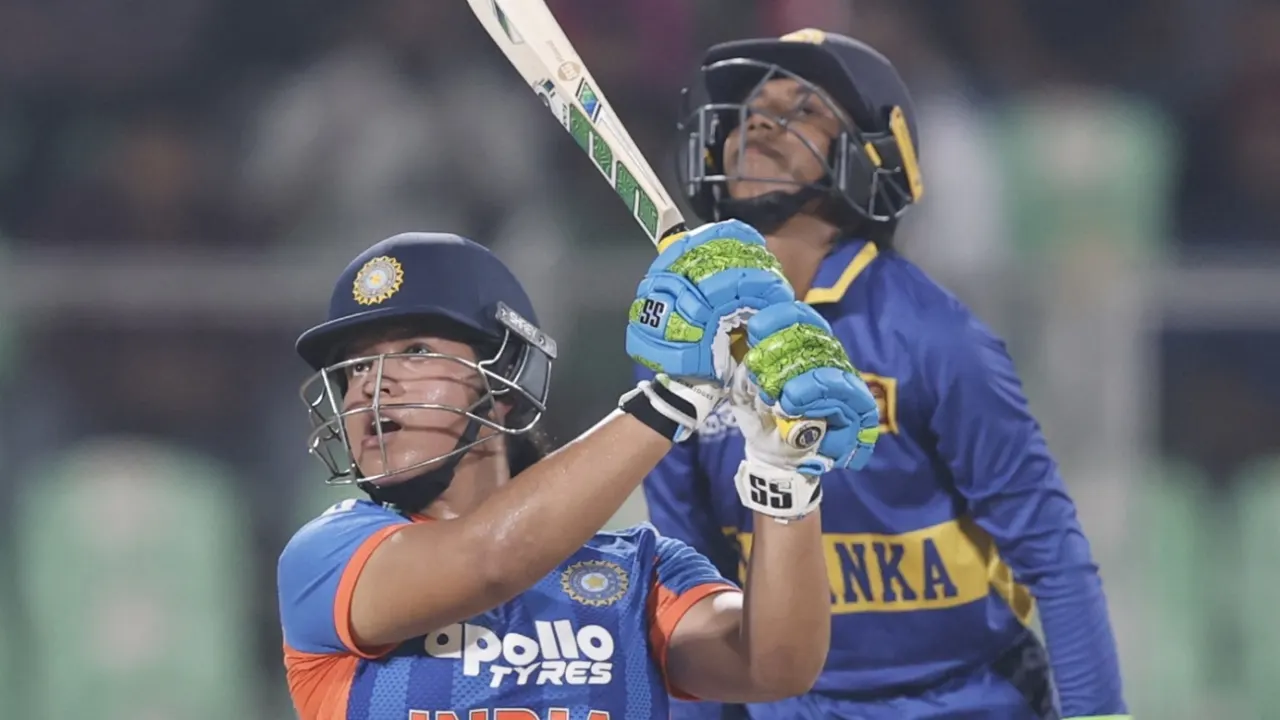
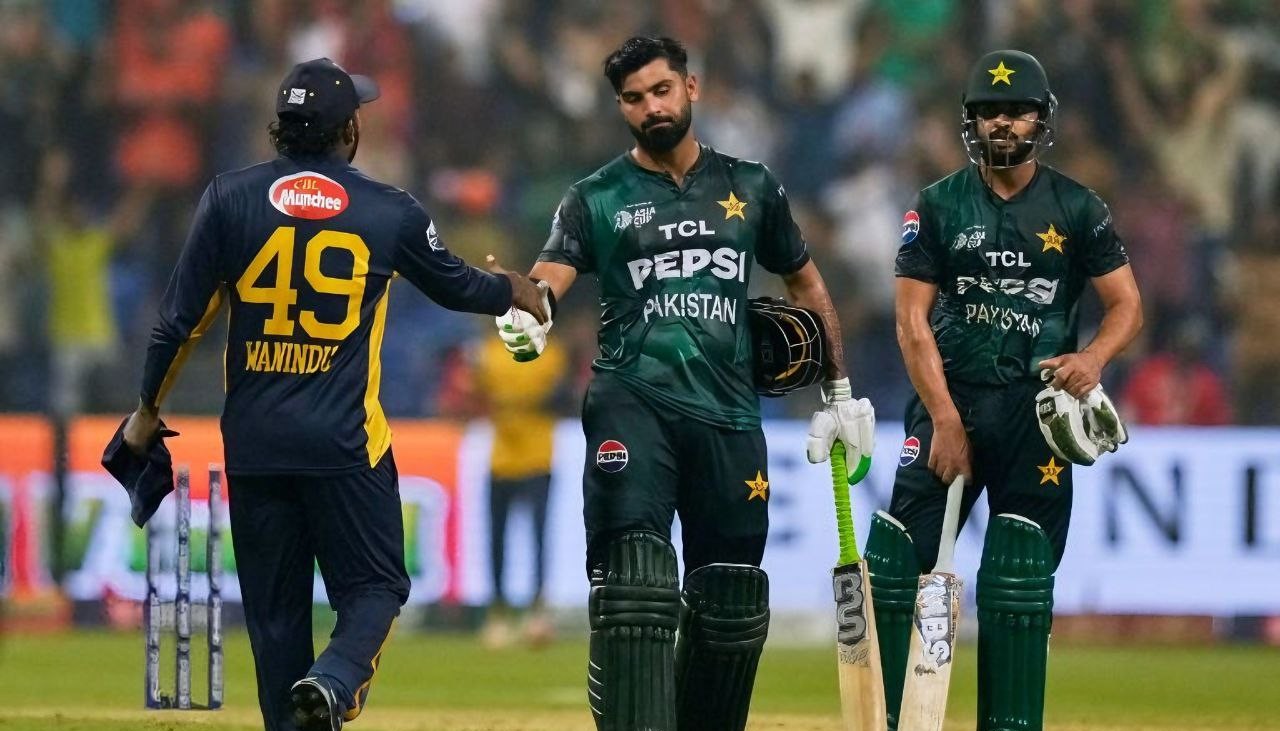
Sri Lanka Cricket has urged Pakistan to reconsider its decision to boycott next week's Twenty20 World Cup match against India in Colombo, warning that it could adversely affect Sri Lanka's tourism-dependent economy.
Sri Lanka Cricket CEO Ashley de Silva said on Friday that he has formally asked the Pakistan Cricket Board (PCB) to review its position, citing the wider ramifications of the strike.
"We ask them to reconsider the decision based on the report we have received," de Silva said.
He noted that Sri Lanka Cricket has already completed all preparations for the match on February 15, including security arrangements, hotel bookings and ticket sales. A last-minute cancellation, he warned, could lead to losses on multiple fronts.
Mr De Silva said Sri Lanka Cricket had reached out to the PCB in the spirit of strong cricketing ties between the two countries, but he declined to divulge further details of the communication.
Sri Lanka and Pakistan share a long cricketing history, with Sri Lanka being the first national team to tour Pakistan since international cricket was halted following a terrorist attack on the Sri Lankan team bus in Lahore in 2009.
Since the Pakistan government announced earlier this week that their team would not field against India, controversy over the boycott has swirled throughout the tournament, which is co-hosted by Sri Lanka and India. The Pakistani government later clarified that the decision was taken in cooperation with Bangladesh.
Bangladesh were excluded from the T20 World Cup and replaced by Scotland after the Bangladesh team requested to shift their matches from India to Sri Lanka due to security concerns. However, the International Cricket Council (ICC) said an independent assessment found no security threat in India and that it was too late to relocate matches.
Pakistan has accused the ICC of inconsistency, arguing that India and Pakistan have been allowed to play at neutral venues in recent tournaments.
Cricket relations between India and Pakistan have long been affected by decades of political and military tensions between the two neighbours, despite the sport's immense popularity in both countries.
Meanwhile, Sri Lanka is still recovering from a severe economic collapse in 2022 and is currently under a recovery program supported by the International Monetary Fund. Tourism remains a major economic lifeline for the country, and Sri Lanka Cricket fears a high-profile strike could undermine efforts to revive the sector.
Source: AdaDerana